
Origin drayage
Pickup timing, loading access, equipment readiness, and movement to the appropriate rail ramp.
Intermodal Freight
We evaluate longer-haul domestic lanes by connecting rail service with origin and destination drayage, terminal timing, and equipment—not just comparing it to a truckload rate.
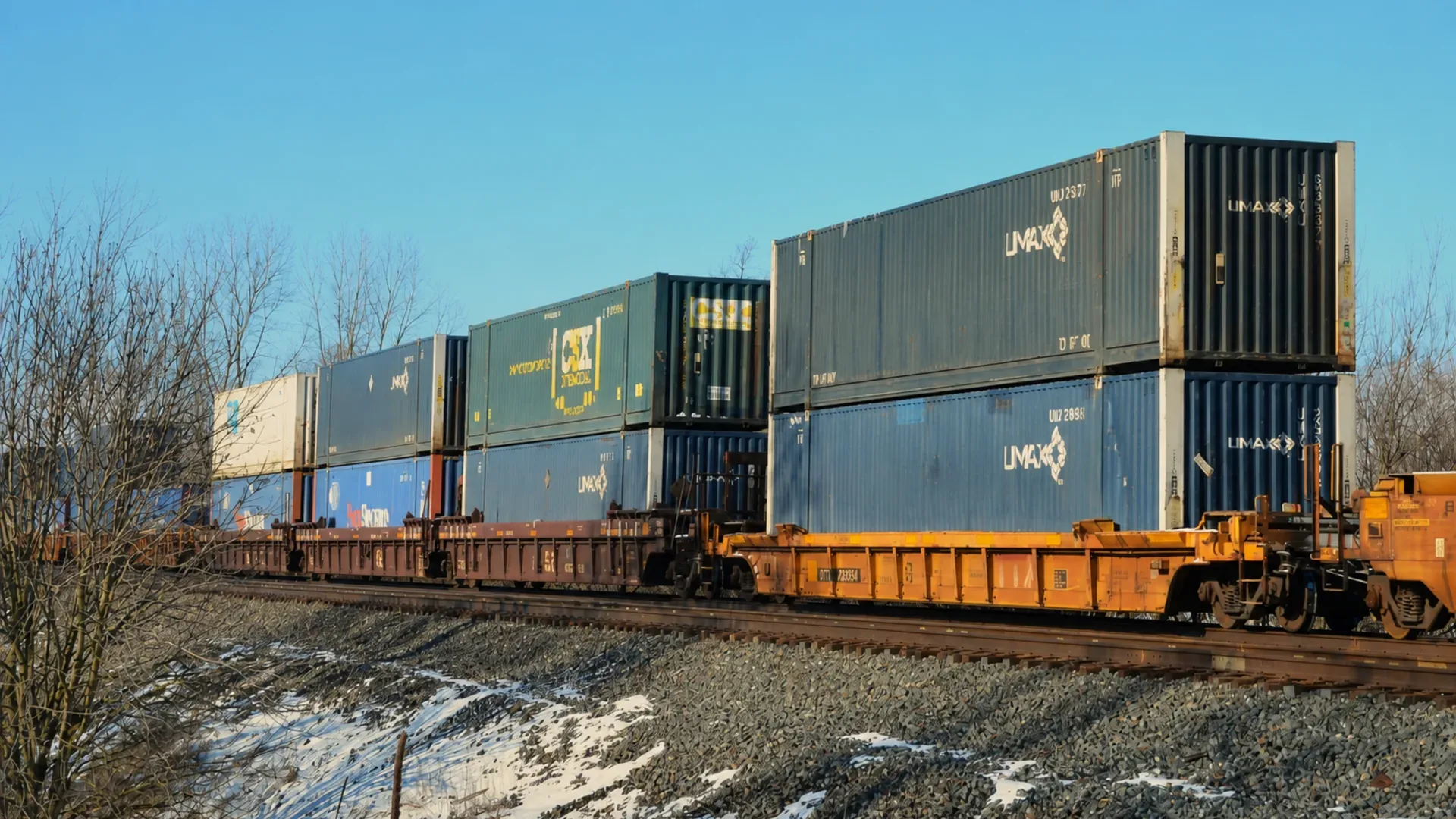
Where intermodal fits
Intermodal can replace or supplement truckload when the lane, cargo, timing, and ramp access line up—and the total cost, not just the linehaul, works in its favor.
What we coordinate
A workable plan accounts for both drayage legs, terminal requirements, equipment, and timing—with accessorial exposure reviewed up front instead of discovered later.
Pickup timing, loading access, equipment readiness, and movement to the appropriate rail ramp.
Lane and service review through vetted rail providers, with clear expectations set on transit.
Ramp availability, delivery appointments, free-time considerations, and final-mile access.
Confirm the right container or trailer, compatible ramps, cutoffs, hours, and recovery timing.
Domestic rail and drayage coordinated in support of port, warehouse, transload, or international freight plans.
Look for storage, detention, chassis, redelivery, and terminal charges before they become surprises.
Mode evaluation
There's no default answer—it depends on service requirements and how the total move actually executes.
Intermodal may fit when
Truckload may fit better when
Planning sequence
A useful comparison covers the rail linehaul, both drayage legs, terminals, and timing—with the likely accessorials priced in from the start.
Check the distance, ramp access, freight, schedule, and delivery expectations.
Connect origin drayage, rail service, terminal cutoffs, destination recovery, and delivery appointments.
Evaluate transit, flexibility, risk, and total expected cost against a truckload option.
Keep the shipper, drayage providers, rail network, terminals, and receiver aligned.
Common questions
Not always. The real comparison includes both drayage legs, terminal and equipment costs, expected accessorials, and the added risk from extra handoffs.
It can support some port, warehouse, transload, and export moves. We review the domestic rail plan against the broader international schedule to keep both sides lined up.
Start with the origin, destination, and commodity—then weight and dimensions, packaging, ready date, and any appointment or loading constraints.
Start a conversation
Share the freight, origin, destination, timing, and service requirements. We’ll tell you honestly whether intermodal or truckload makes more sense for this lane.